


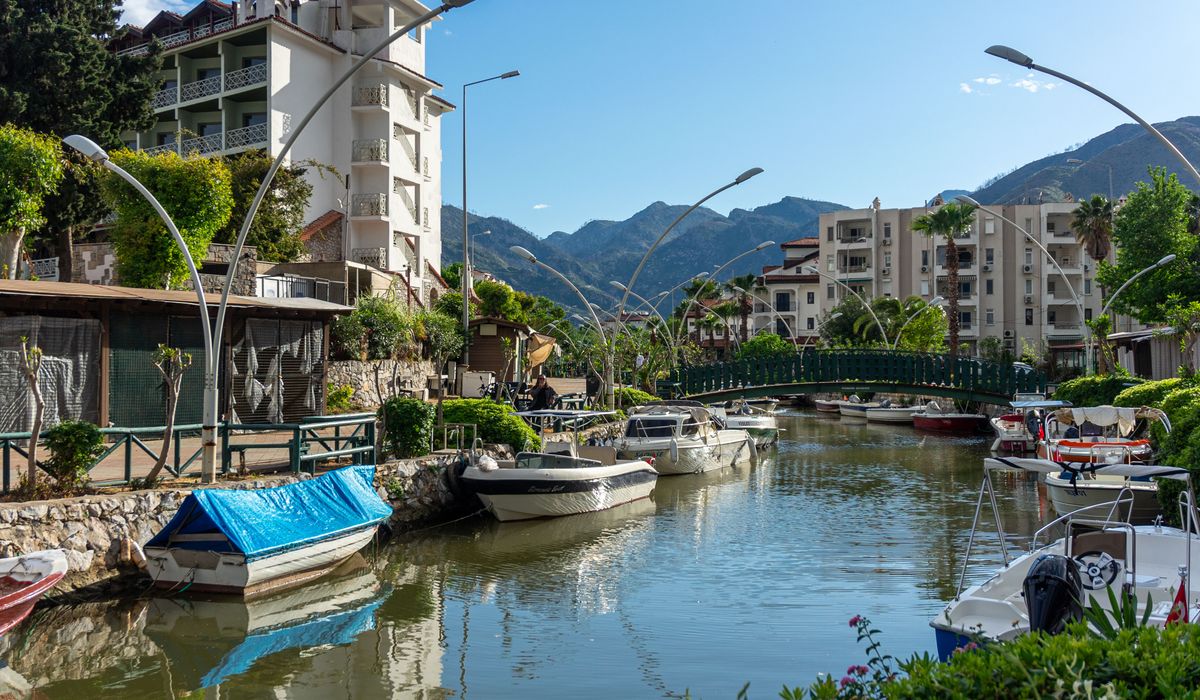
There is a particular moment on the cut, usually somewhere between four and six in the afternoon, when the engine note drops, the kettle question is raised, and everyone on board starts scanning the bank. Where you stop for the night shapes the whole evening: a good mooring means a quiet pint at a waterside pub, a gentle towpath walk, and no worries at three in the morning. A bad one means ropes slackening on a bend, blistered hands from repositioning pins in the dark, and a nagging sense that you have parked in entirely the wrong place. Finding safe and scenic moorings is a skill, and like most canal skills it comes down to reading the waterway, planning ahead, and a bit of old-fashioned courtesy.
Know the different kinds of mooring
Before you can judge a mooring, it helps to know what you are looking at. Visitor moorings on the managed network are usually signed, with a stated maximum stay attached to the stretch rather than to the individual boat. Beyond those, the towpath bank is generally available for short stays, provided you do not obstruct navigation or the towpath itself.
- Designated visitor moorings — signed stretches, often with rings or bollards, marked 24-hour, 48-hour or 14-day. Use them as intended and move on when your time is up.
- Long-term or permit moorings — marked for a specific boat or berth. Never moor on these, even for a lunch stop; the sign will be obvious, and the owner will not be pleased.
- Informal towpath mooring — the usual standby on rural stretches. Fine overnight, but keep well clear of bends, bridges and junctions.
- Winter and marina moorings — booked in advance, invaluable when the ice comes and you want a water point and a power supply within reach.
Reading the bank: rings, piling and pins
Arriving at a stretch, look at the edge before you look at the view. Steel piling or concrete edging means you can usually find a ring, or failing that, drive pins between the piling and the bank — they hold beautifully. Timber edging, often called armco in its false form, takes pins well too. Soft grassy banks are the trickiest: pins pull out under load, especially after rain, so set them deep and at a shallow outward angle rather than straight down.
- Prefer rings or bollards where they exist. They are fixed, rated for the job, and kinder to your ropes than a rusty stake.
- Carry a decent lump hammer or club mallet and pins long enough to reach solid ground. Short pins are a false economy.
- Take a boarding plank for high banks and for stretches where the boat cannot sit snug to the edge.
- Avoid tying to young trees or saplings; the bark will suffer and the roots will not thank you. Mature trees are a last resort, and never with a spring line under real tension.
Steer clear of winding holes, lock landings and bridge 'oles
Some obstructions are obvious and some are not. A winding hole — that wide, inviting bulge where a seventy-foot boat can be turned — will tempt you on a hot afternoon. Do not take it. Nor should you linger on a lock landing, which is the working area for boats waiting to go through, or in a bridge 'ole where sightlines are already tight and passing boats need every inch. The same goes for water points, sanitary stations and the approaches to boatyards and marinas.
On narrow stretches, resist the urge to moor directly opposite another boat. Two moored boats and a passing one is a squeeze that turns a friendly wave into a grim negotiation. If you can see that your stern will nudge a passing boat's bowsprit, move along fifty yards.
Arrive early in the busy spots
The honeypot villages, the pub with the famous garden, the pretty stretch just below a flight of locks — these fill up. On a warm weekend in July, the best spots on a popular stretch can be gone by early afternoon, and by six o'clock you will be joining a slow procession of hopeful boats. Aim to be moored by three or four in the afternoon during peak season, and consider cruising a shorter day to secure a good berth. Midweek, outside school holidays, and in the shoulder months of April, May, September and October, you can be far more relaxed about it.
Setting the boat so it stays put
A well-moored boat sits parallel to the bank, with two lines running fore and aft at roughly forty-five degrees and, on longer stays, a spring line to stop her shuffling along. Leave a little slack so the water level can rise without dragging the pins, but not so much that the bow swings into the channel. Take a turn around the ring or pin before you tie off, and finish with a proper cleat hitch rather than a pile of half-hitches that will jam when your hands are cold.
- Check the depth and firmness of the bank with a boathook before committing.
- Keep the towpath side clear for walkers, cyclists and wheelchairs — a boat moored too far out is a hazard, not a convenience.
- Note flood and strong-stream warnings before an overnight stop on a river section, and have a plan to move if levels rise.
Towpath etiquette that keeps everyone happy
A few quiet habits mark out an experienced boater. Do not run a generator late into the evening when neighbours are within earshot. Keep music inside the cabin, not on the bank. Pick up after the dog, and give anglers and their poles a wide berth when passing. On shared towpaths, slow to tickover and keep the wash down — the people fishing, walking and cycling beside you are part of the same waterside life you came for. Moor considerately, and you will find that the canal returns the favour, evening after evening.


Leave a reply