


Pick a stretch that fits two days, not two weeks
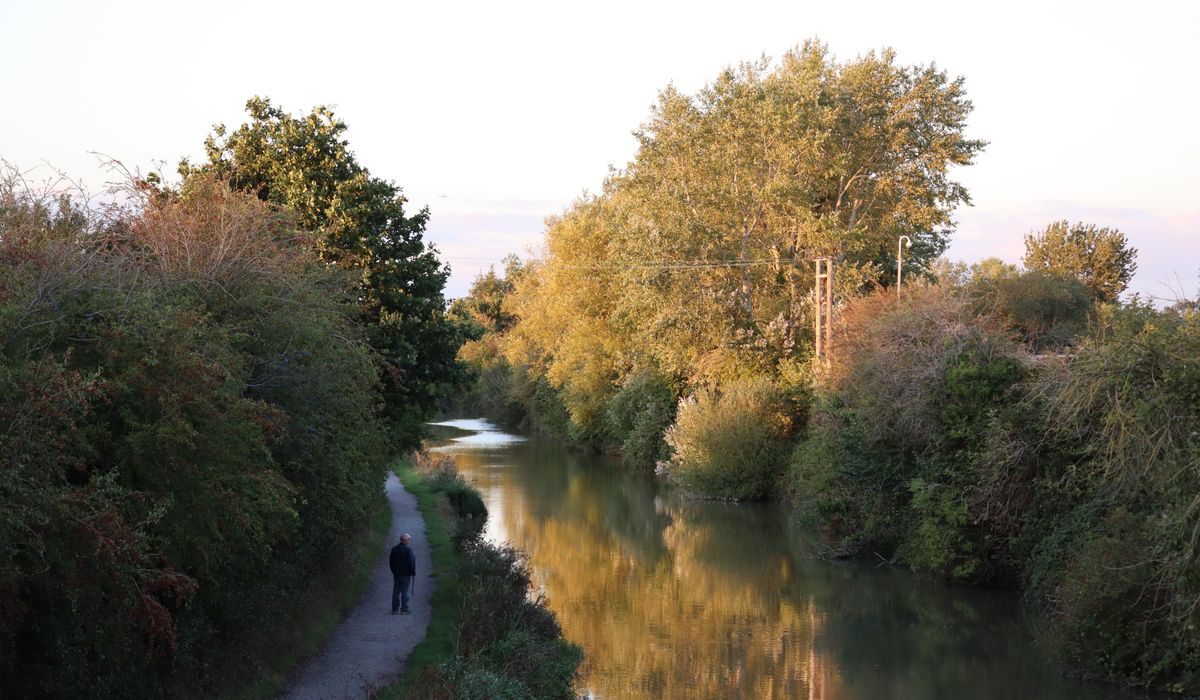
A weekend afloat is not a race. The happiest crews cover roughly ten to fifteen miles and a handful of locks between Friday evening and Sunday afternoon, leaving room for a leisurely breakfast and an unplanned stop when a pub garden catches the eye. As a rule of thumb, a narrow canal gives you about three miles an hour, and each narrow lock takes twenty to thirty minutes to work through; wide locks on the bigger waterways are quicker to pass but far heavier to push. Anything beyond about five hours of cruising a day starts to feel like work.
Look for routes with a lock-free or lock-light middle section, a winding hole at each end so you can turn without reversing for miles, and at least one water point within easy reach of your overnight mooring. Quiet stretches also mean quiet moorings, and quiet moorings mean you will actually sleep.
Ashby Canal: lock-free and endlessly gentle
If you want the softest possible introduction, the Ashby Canal in Leicestershire is hard to beat. It has no locks at all along its twenty-two miles, so your only real tasks are steering, mooring and choosing between pubs. The countryside is flat, green and famously unspoilt, and the water is shallow enough to keep your pace naturally slow.
A comfortable weekend runs from the Hinckley end up to the terminus at Snarestone, with stops at Stoke Golding, Shenton and Shackerstone. Bosworth Battlefield is a short walk from Shenton, and the village pubs around Shackerstone and Congerstone serve decent food within sight of the cut. Water points are spaced out, so top up at the start of the trip rather than hoping for one at tea time. The terminus at Snarestone has a winding hole, and the trip back is a genuinely easy Sunday.
Caldon Canal: Staffordshire's quiet arm
Branching off the Trent & Mersey at Etruria, the Caldon is one of the prettiest short waterways in the Midlands and rarely crowded. The stretch through Stoke has its own industrial charm, but the reward comes further on: the Churnet Valley, where the canal hugs a wooded river and the pub at Consall Forge sits almost on the water.
A weekend out-and-back from Etruria to Consall or Froghall gives you a handful of locks at Hazelhurst, a couple of lift bridges and some of the best towpath walking in England. Cheddleton's flint mill is worth an hour. Book your return timing around the Hazelhurst flight, which can queue on a Sunday afternoon, and remember that the Froghall terminus is tight, so turn at the winding hole rather than pushing on.
The Oxford Canal's southern meadows
Between Lower Heyford and Thrupp, the Oxford Canal runs through water-meadows, past shabby-chic wharves and under a succession of elegant stone bridges. Locks here are narrow and kindly, and several are close enough together to feel like a gentle rhythm rather than a chore.
Moor at Thrupp for the evening — the village has a boatyard, a tearoom and a well-known canalside pub — then drift south towards Kidlington and Oxford the next morning if the weather holds. The Rock of Gibraltar at Enslow and the Oxford Arms at Kirtlington are both a short walk from good moorings. Water points and elsan disposal are available at Thrupp, and the visitor moorings there are popular, so arrive before four in the afternoon if you can.
Kennet & Avon: the Pewsey Vale
The wide locks of the Kennet & Avon are heavier work, so a gentle weekend here means choosing a short stretch and sticking to it. The Pewsey Vale between Wootton Rivers and Pewsey Wharf is the pick: big skies, thatched villages, a handful of swing bridges and wide locks that are manageable with two people on the paddles.
Pewsey Wharf has water, waste disposal and a waterside bar, and Honeystreet's moorings put you within a few minutes of the famous Barge Inn. Lock opening hours on this navigation are sometimes restricted, especially outside the main season, so note them at the first lock you work and build your day around them rather than against them.
Waterside pubs and mooring manners
Half the pleasure of canal boating is arriving somewhere by water. Ring ahead if you are a large group, and check whether the pub is a ten-minute walk or right on the towpath — some of the best are a field away and worth the wellies. Never moor on a water point, lock landing or winding hole, keep the towpath clear, and stay quiet after dark; sound carries across water in a way that surprises newcomers. Most visitor moorings are limited to forty-eight hours, and pins should be firm and visible so nobody trips over your lines.
Before you slip the lines: a practical checklist
- Check water points along your route and fill the tank before you leave; a crew of four can empty it in a weekend.
- Confirm lock opening times, any winter or maintenance restrictions, and whether a lockkeeper operates your flight.
- Note the location of elsan disposal, pump-out and rubbish points, and carry the right windlass and bridge key.
- Plan a winding hole at both ends of the trip, plus one halfway as a bail-out.
- Check the forecast and any navigation notices for stoppages before you set off, not on the morning you leave.
- Take a torch, a spare rope and a phone number for the boatyard, just in case.
Get those small things sorted and the rest of the weekend looks after itself: a slow engine note, a mug of tea on the stern, and a mooring that is already waiting for you.


Leave a reply